In my eating disorder , I became more and more obsessed with control of food, and also other areas of my life, everything had to be just so, organised well in advance, lists and lists and lists of things to do, but at the same time felt like the I could not control my controlling behaviours?
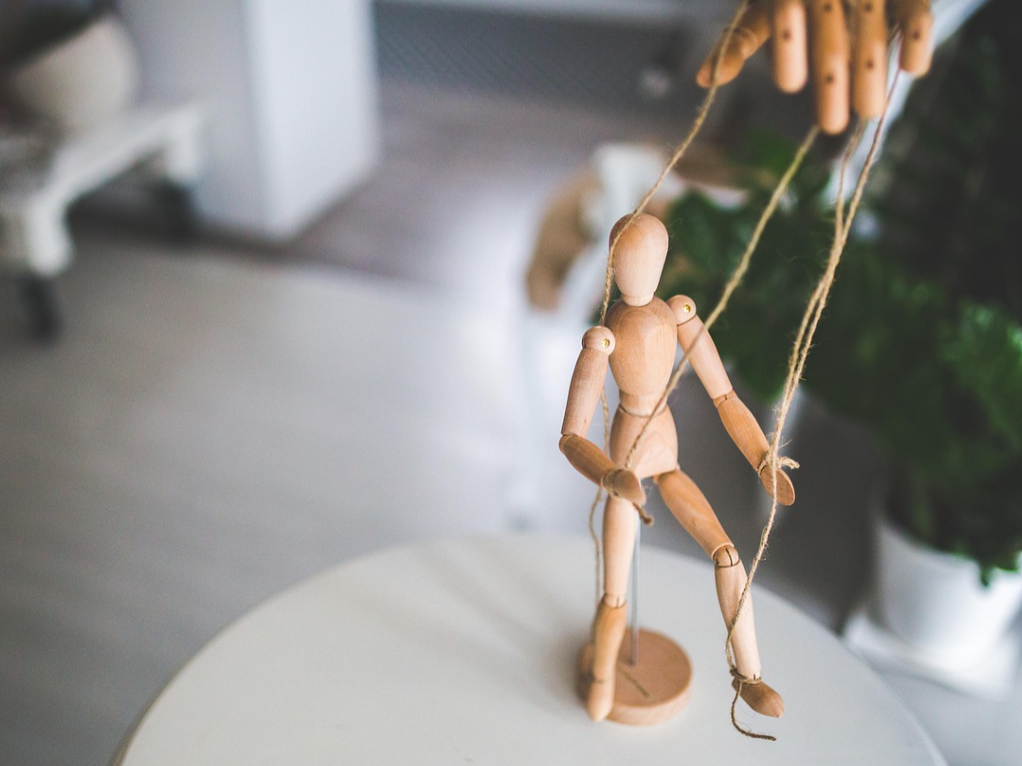
I felt that I was actually spiralling out of control, it was quite scary and one of the reasons I eventually reached out for help. So when you feel like you are in control and out of control at the same time who is really pulling the strings? Is it you? Or is it something far more destructive?
The truth is, when you have an eating disorder, it’s the eating disorder itself that takes the reins. I now think of my eating disorder like a puppet master, constantly pulling the strings and I was helpless to do anything but comply. It happens so slowly, so subtly, it takes over your thoughts, your choices, and eventually, your entire life and it comes from a deeply ingrained set of false thoughts, beliefs, and
compulsions that become incredibly powerful.
Here’s why it feels like you’re in control, and why that feeling is a dangerous illusion:
The Illusion of Self-Control: The eating disorder thrives on the idea that you are making all the decisions. “I’ll just skip this meal” & “I’ll only eat X calories today”, “I need to exercise for Y hours.” These thoughts feel like your own, like you have the control, but they are the eating disorders demands, disguised as your desires.
A False Sense of Accomplishment: Every time you follow the eating disorders
rules – whether it’s restricting, binging and purging, or over-exercising (and lots of other behaviours you may not even recognise as eating disorder behaviours yet) – you might experience a sense of achievement or satisfaction- almost like a high, this
positive reinforcement strengthens the eating disorders grip and control, making it harder to break free away.
The Voice in Your Head: People with eating disorders often describe an internal
voice or a pervasive set of thoughts that dictate their actions around food and body
image. This voice can be critical, judgmental, and relentless. It’s the eating disorder constantly reminding you of its rules and the perceived scary consequences of breaking them. It tells you what to eat, when to eat, and how to feel about your body.
Isolation as a Strategy: The eating disorder thrives in secrecy and isolation. It
encourages you to pull away from loved ones who might challenge its authority. By
isolating you, it ensures its messages are the only ones you hear, tightening its grip on your mind and behaviour. When those closest to you do dare to challenge your behaviour, you react with defensiveness and anger- further isolating you from those who care.
Sacrificing Your True Self: As the eating disorder gains control, your genuine
interests, passions, and relationships begin to wither. Your authentic self, the person
you were ( and still are deep down) outside of the illness, becomes increasingly
suppressed. The eating disorder demands all your energy and attention, leaving little room for anything else. The only way I could describe my life during my eating disorder was like I was trapped in a small cage and the bars were getting closer and closer in.
THE GOOD NEWS
You can take back your power, but it’s important to understand that that the eating disorder is the one in control, this is not your faut!
There can be a very narrow minded assumption that those with a restrictive eating disorders “don’t want to eat”, or just want to be thin” and I can’t tell you how many times I heard “you just need to eat something”.
How can you do that when you have a powerful illness that has hijacked your sense of self?
Together we can challenge that voice, turn around the false beliefs and take away all the power you’re eating disorder has taken from you, and make you feel confident in making choices that serve you.